

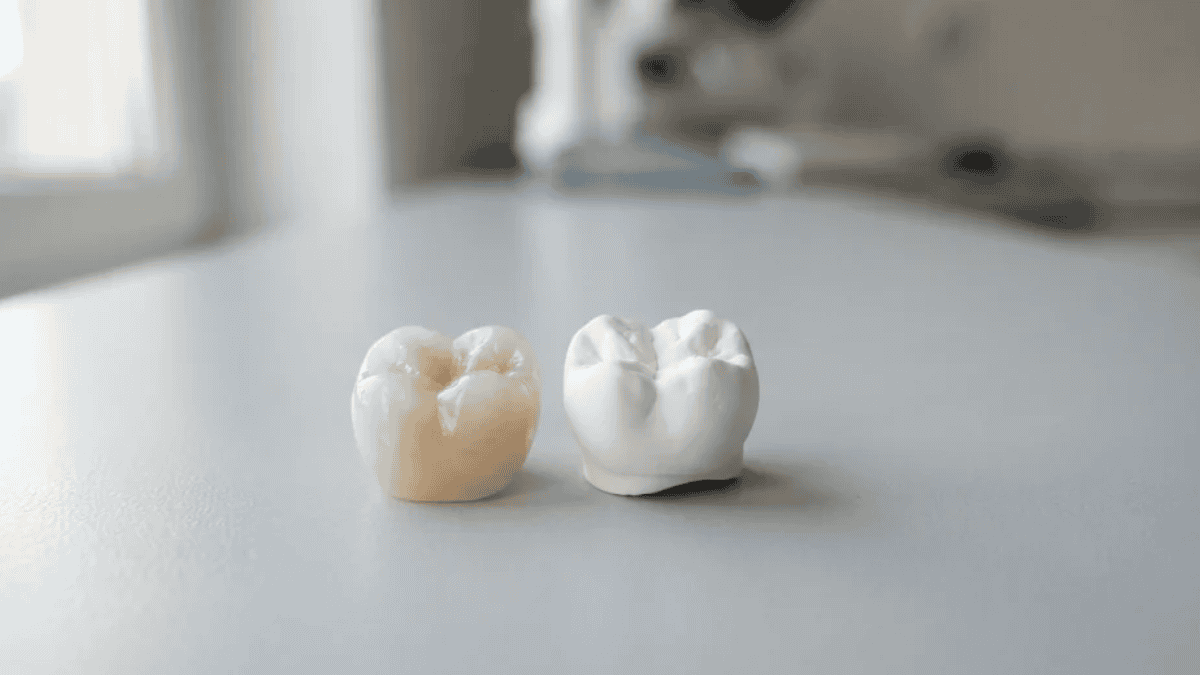
15 Nov How Long Does a Dental Crown Last? A Tulsa, OK Dentist Explains
Most dental crowns last between five and 15 years with proper care, and some last upwards of 30 years, but a crown placed over a grinding habit or a weak tooth can fail much sooner. So how long does a dental crown last in real life? The honest answer depends on the material, the tooth underneath, and what you ask that tooth to do every day. This guide from McDougall DDS in Midtown Tulsa, OK explains the lifespan ranges, the habits that shorten them, and the warning signs that a crown needs attention.
How Long Does a Dental Crown Last on Average?
Cleveland Clinic puts the typical range at five to 15 years with proper care, and adds that crowns can last upwards of 30 years with good maintenance. MedlinePlus frames it a little differently: most crowns should last at least 5 years and can last as long as 15 to 20 years. The two sources agree on the practical takeaway. A crown is a long-term restoration, not a permanent one, and your own habits move you toward the top or the bottom of the range.
Temporary crowns follow different rules. Cleveland Clinic says temporary resin crowns last three to five years on average. The temporary crown placed between visits at a two-visit office is only a short-term bridge until the permanent crown is cemented.
Crown Materials and How Each One Wears
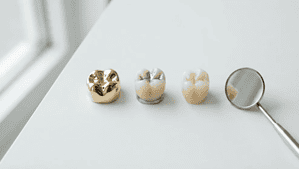
Material is the first factor that shapes lifespan. Metal crowns, including gold and other alloys, last the longest in terms of wear and rarely chip or break, but the color does not look natural. Porcelain-fused-to-metal crowns last almost as long as metal crowns, although the porcelain layer can chip and may wear the opposing teeth. All-ceramic or all-porcelain crowns match the color of natural teeth and suit people with metal allergies, but they can wear opposing teeth more than metal does. All-resin crowns are less expensive but fragile and more likely to break than porcelain-fused-to-metal crowns.
McDougall DDS offers porcelain-fused-to-metal crowns, all-porcelain crowns, and gold crowns, and the practice recommends higher-strength porcelain or gold for the most serious problems. The table below puts the trade-offs side by side.
| Crown material | Key strength | Main trade-off |
|---|---|---|
| Metal (gold or other alloys) | Lasts the longest in terms of wear and rarely chips or breaks | Color does not look natural |
| Porcelain fused to metal | Lasts almost as long as metal crowns | Porcelain layer can chip and may wear opposing teeth |
| All-ceramic or all-porcelain | Matches the color of natural teeth and suits people with metal allergies | Can wear opposing teeth more than metal does |
| All-resin | Less expensive | Fragile and more likely to break than porcelain fused to metal |
What Shortens a Dental Crown’s Life
The most common causes are habits and fit rather than bad luck. Cleveland Clinic lists these as the main threats:
- Hard, crunchy, or sticky foods such as ice, popcorn kernels, taffy, and caramels
- Teeth grinding or clenching
- A poor fit that traps bacteria and leads to decay
- Chips, cracks, or other damage to the crown
Teeth grinding deserves special attention because many people do it in their sleep. The National Institute of Dental and Craniofacial Research describes severe teeth grinding as a cause of flattened, chipped, cracked, or loose teeth, and says a mouth guard can prevent tooth damage. Mayo Clinic lists damage to fillings, crowns, and other dental repairs as a possible complication of bruxism. If you wake with a tired jaw or morning headaches, mention it before you get a crown.
Decay is the other risk. The tooth under a crown can still develop a cavity, and the CDC reports that about 1 in 5 adults aged 20 to 64 has at least one untreated cavity. If a crown fits poorly or the margin breaks down, decay can move in quietly. That is why a crown still needs brushing and flossing like any other tooth.
Signs Your Crown Needs Replacing
A crown rarely fails without warning. Cleveland Clinic points to these signs:
- Visible wear, tear, or damage
- A loose crown
- Bad breath or a bad taste
- Cracks or chips
- Sharp edges that bother your tongue or gums
A loose crown matters most. MedlinePlus explains that a crown can fall off if the underlying tooth structure is too weak, which may mean a root canal or an extraction and implant. If a crown comes off, keep it and call the office rather than waiting. A filling that fell out is a similar situation, and our post on a filling that fell out explains why a painless problem still needs a visit.
How to Make a Dental Crown Last Longer in Tulsa, OK
Good care adds years. Brush at least twice a day with fluoride toothpaste and a soft-bristled brush, floss once a day, and consider an antibacterial mouthwash, all of which Cleveland Clinic recommends. Avoid extremely hard, crunchy, or chewy foods, and ask about a custom mouth guard if you grind or clench. Keep up regular cleanings and exams so your dentist can check the crown margins and the tooth beneath them.
Have a crown that feels loose, worn, or sensitive? Call McDougall DDS and have it checked before a small problem becomes a bigger one.
Why Choose McDougall DDS for Dental Crowns
A crown only lasts as long as its fit, so the process matters. At McDougall DDS, the first visit includes removing decay, shaping the tooth, and taking digital impressions with the iTero system, followed by a temporary crown made of acrylic or metal. At the second visit, the temporary crown comes off and the final crown is fitted, adjusted, and cemented into place. The final crown is adjusted before it is cemented, so the fit is checked in your mouth rather than assumed.
The materials conversation is also tied to the tooth, not a menu. Porcelain fused to metal, all-porcelain, and gold are all available, and the practice recommends higher-strength porcelain or gold when the problem is serious. If you are weighing a restoration, our crowns page walks through the process and the uses, which include supporting a badly broken tooth and protecting a tooth that has had a root canal. The office is at 4433 South Harvard Avenue in Midtown Tulsa and serves patients from Tulsa, Jenks, Bixby, Broken Arrow, Owasso, and Coweta.
Conclusion
A dental crown can last anywhere from five years to several decades, and the biggest influences are the material, the fit, your grinding habits, and how well you clean around it. Cleveland Clinic gives five to 15 years as the typical range, and MedlinePlus describes 15 to 20 years as the upper end for many crowns. Protect the investment with daily brushing and flossing, a night guard if you grind, and regular exams, and replace a crown promptly when you see wear, cracks, or looseness.
Want your crown checked or a damaged tooth restored? Contact McDougall DDS in Midtown Tulsa to schedule a visit.
Frequently Asked Questions
How long does a dental crown last?
Cleveland Clinic gives a typical range of five to 15 years with proper care. MedlinePlus says most crowns should last at least 5 years and can last as long as 15 to 20 years. Some crowns last upwards of 30 years with good maintenance.
Can a tooth decay under a crown?
Yes. The tooth under a crown can still develop a cavity, especially if the crown fits poorly or oral hygiene slips. Brushing twice a day, flossing once a day, and keeping regular dental exams help catch decay early.
Why would a dental crown fall off?
A crown can come off when the underlying tooth structure is too weak to hold it. Teeth grinding, clenching, and sticky foods can also loosen it. If a crown falls off, call your dentist promptly.
How many visits does a dental crown take?
Placement usually takes two visits. At the first, the tooth is prepared, an impression or digital scan is taken, and a temporary crown is placed. At the second, the permanent crown is fitted and cemented.
What foods should you avoid with a crown?
Avoid extremely hard, crunchy, or sticky foods such as ice, popcorn kernels, taffy, and caramels. These can damage a crown or pull it loose.

Sorry, the comment form is closed at this time.