

28 Sep Why Do I Get Cavities When I Brush Every Day?
Brushing twice a day removes surface plaque, but it does not reach the tight contact points between teeth where a large share of new cavities actually start, which is why patients across Tulsa who brush diligently still leave a checkup with a new filling on the schedule. It is one of the more frustrating things a dentist has to explain, because it runs against the assumption most people grow up with: brush well, avoid cavities. The reality is more specific than that, and once you see why brushing alone falls short in certain spots, the fix becomes a lot more obvious.
Getting cavities despite brushing every day is not a sign you are doing something wrong in general. It usually means one or two specific factors, diet, technique, genetics, or saliva, are working against the parts of your routine that are otherwise solid. Figuring out which one applies to you is more useful than brushing harder or more often.
Why Do I Get Cavities When I Brush Every Day? Where Brushing Falls Short
A toothbrush cleans the flat, outward-facing surfaces of your teeth well. It is far less effective between teeth and along the gumline, which is exactly where plaque tends to sit undisturbed for the longest stretches of time. According to the ADA’s guidance on cavity prevention, cleaning between teeth daily, not just brushing, is treated as a separate, necessary step rather than an optional add-on.
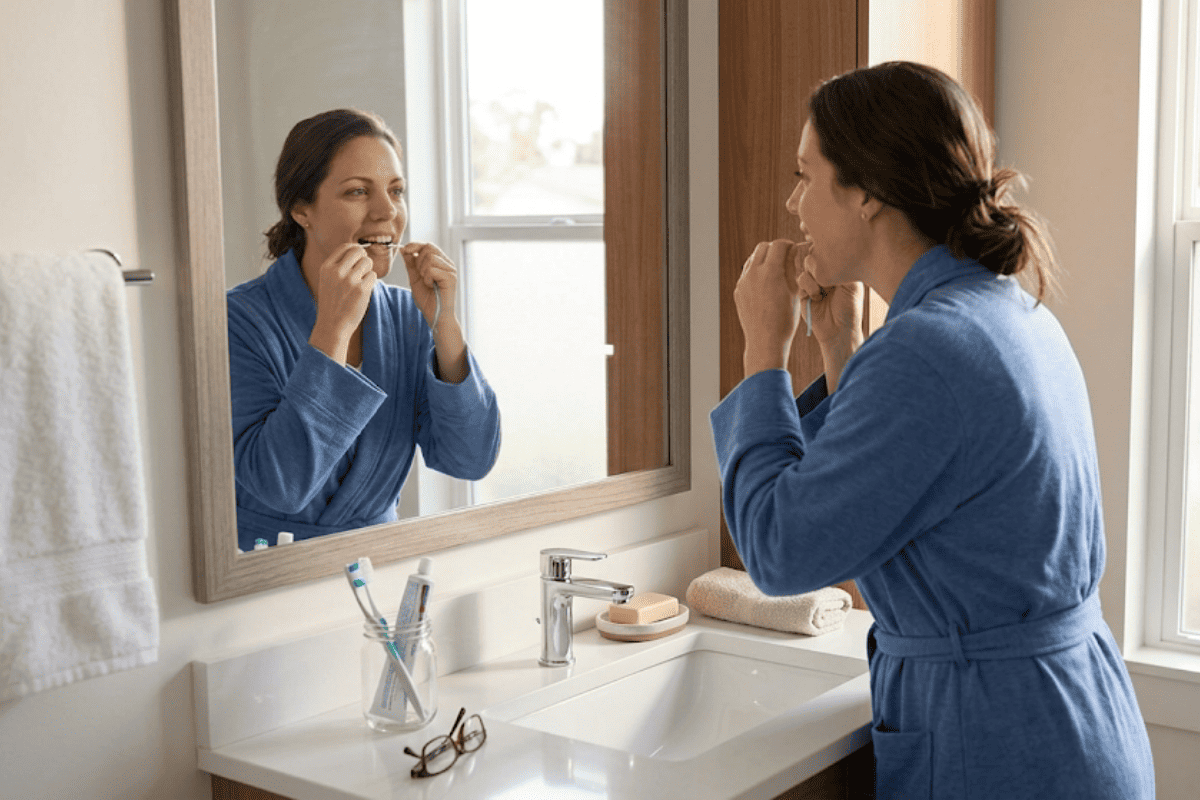
This is why someone who brushes twice a day but skips flossing can still develop cavities specifically between teeth, in a pattern that looks confusing until you consider which surfaces a brush physically cannot clean. If it has been a while since your last cleaning, don’t wait for a cavity to show up, schedule a visit so we can catch the spots brushing alone tends to miss.
How Diet Works Against a Good Brushing Routine
What you eat, and how often, matters as much as how you brush. Sugars feed the bacteria that produce the acid that erodes enamel, and frequency of exposure tends to matter more than total quantity. Research on diet and cavities notes that diet research identifies sucrose as one of the most cavity-promoting carbohydrates specifically because of how consistently it feeds acid-producing bacteria, especially with frequent snacking or sipping throughout the day.
Two people can brush identically and still end up with different cavity histories if one of them grazes on sugary drinks or snacks throughout the day and the other does not, simply because one mouth spends far more time under acid attack than the other.
Genetics and Saliva Play a Bigger Role Than Most People Realize
Some people are simply more cavity-prone than others for reasons that have nothing to do with effort. Saliva composition, enamel strength, and even the specific bacteria that colonize your mouth are all influenced by genetics. A peer-reviewed look at genetic risk factors found that genes involved in saliva formation, immune response, and enamel development all affect an individual’s susceptibility to cavities, independent of brushing habits.
Saliva in particular does a lot of quiet work neutralizing acid and washing away food particles. People who naturally produce less saliva, whether from medication, dehydration, or other causes, lose some of that natural protection no matter how consistent their brushing is.
What Actually Closes the Gap
| Overlooked Cause | Why Brushing Doesn’t Fix It | What Helps |
|---|---|---|
| Plaque between teeth | Brush bristles can’t reach tight contact points | Daily flossing or interdental cleaners |
| Frequent sugar exposure | Repeated acid attacks throughout the day | Limiting snacking/sipping frequency |
| Low fluoride exposure | Enamel has less mineral reinforcement | Fluoride toothpaste, fluoridated water |
| Genetics and saliva flow | Not something brushing changes | Custom preventive plan with your dentist |
| Deep grooves in molars | Bristles can’t fully clear narrow pits | Dental sealants |
Every cause and fix in this table is explained in the surrounding text, in the same terms.
Why Fluoride and Sealants Matter More Than People Assume
Fluoride strengthens enamel against the acid attacks that cause decay, which is part of why community water fluoridation remains one of the most studied public health measures in dentistry. Federal fluoride recommendations are based on decades of evidence showing meaningful reductions in cavity rates at the recommended concentration.
Sealants offer a more targeted fix for the deep grooves on chewing surfaces where a brush struggles to fully clean. According to data on dental sealants, sealants can reduce the risk of new cavities substantially compared to no sealant at all, specifically in those hard-to-clean pits and fissures on molars.
Why Choose McDougall DDS for Preventive Care
We do not treat prevention as a one-size-fits-all conversation. If you are getting cavities despite brushing daily, we look specifically at where the decay is happening, between teeth, along the gumline, or in molar grooves, and build a plan around that pattern instead of just repeating generic brushing advice. That can mean sealants for deep molar grooves, a closer look at diet and snacking patterns, or periodontal maintenance timed to how quickly plaque rebuilds for your specific mouth.
We also use iTero digital scanning to catch small areas of decay between regular cleanings, which matters most for patients whose cavities keep showing up in the same few spots even with a solid daily routine. For Tulsa patients frustrated by cavities that do not match their effort, that kind of targeted approach tends to actually change the pattern instead of just repeating the same advice at every visit.
Conclusion
Getting cavities while brushing every day usually points to a specific, fixable gap, between teeth, in your diet, in fluoride exposure, or in factors like saliva and genetics that brushing alone cannot address. Once that gap is identified, the fix is often smaller and more targeted than people expect. If your cavities keep showing up despite a consistent routine, the next step is figuring out exactly where the routine is falling short, not brushing harder.
Ready to Find Out Why Cavities Keep Coming Back? Contact us today to schedule a visit.
Frequently Asked Questions
Can you get cavities even with perfect brushing habits?
Yes. Brushing cleans the flat surfaces of teeth well but does not reach between teeth or fully clean deep molar grooves. Diet, fluoride exposure, saliva, and genetics can all still lead to cavities even with a thorough brushing routine.
Does mouthwash prevent cavities if you already brush and floss?
A fluoride mouthwash can add some extra protection, particularly in hard-to-reach areas, but it is not a substitute for flossing or interdental cleaning. It works best as an addition to, not a replacement for, brushing and cleaning between teeth.
Why do cavities form between teeth even when you brush?
Toothbrush bristles cannot physically reach the tight contact points where two teeth touch. Plaque builds up undisturbed in that space unless it is removed with floss or another interdental cleaning tool, which is why cavities often show up specifically between teeth.
Can genetics make someone more prone to cavities?
Yes. Genetics can influence saliva composition, enamel strength, and even the type of bacteria that live in your mouth, all of which affect cavity risk independent of how well someone brushes.
Does diet matter more than brushing frequency for cavities?
Diet and brushing both matter, but frequent exposure to sugar throughout the day can outweigh the benefit of brushing twice daily, since it keeps teeth under repeated acid attacks. Limiting how often you snack on sugar matters as much as brushing itself.

Sorry, the comment form is closed at this time.