

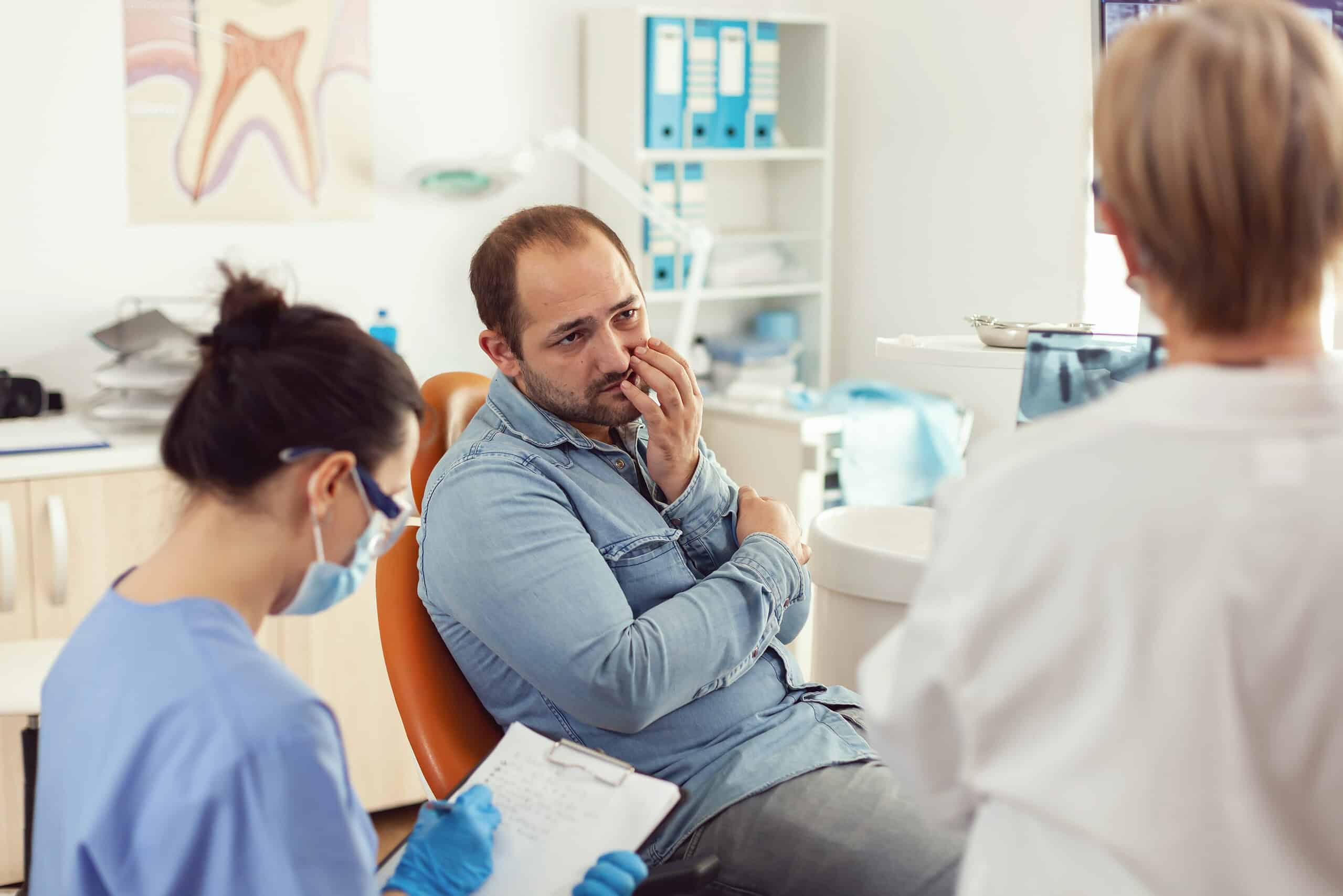
29 Mar What to Do in a Dental Emergency in Tulsa, OK
When I first looked into dental emergencies, I realized how confusing and stressful they can be—especially when you don’t know what steps to take right away. I’ve researched the most common dental emergencies and what dentists actually recommend, so you can act quickly and protect your oral health.
In a dental emergency, you should stay calm, control bleeding, relieve pain, protect the affected tooth, and contact a dentist immediately for professional treatment. Acting quickly can make the difference between saving or losing a tooth. Below, you’ll learn exactly what to do in different dental emergency situations and how to respond effectively.
Immediate Steps To Take During A Dental Emergency
A dental emergency requires fast and correct action to prevent further damage and reduce pain. While every situation is different, there are essential steps that apply to most emergencies.
First, stay calm and assess the situation. Panic can make it harder to think clearly and take the right actions. Identify whether there is bleeding, swelling, or a knocked-out or damaged tooth. If there is bleeding, apply gentle pressure using clean gauze or a cloth. Hold it in place for several minutes until the bleeding slows or stops. Avoid excessive rinsing, as this can interfere with clot formation.
Pain management is also important. Over-the-counter pain relievers can help reduce discomfort, but avoid placing medication directly on the gums, as it may cause irritation. Applying a cold compress to the outside of the face can help reduce swelling and numb the area.
If a tooth has been knocked out, time is critical. Handle the tooth carefully by the crown, not the root. Rinse it gently with water if dirty, but do not scrub it. Try to place it back into the socket if possible. If not, store it in milk or a tooth preservation solution and seek dental care immediately.
For a cracked or broken tooth, rinse your mouth with warm water and save any pieces if possible. Avoid chewing on that side of your mouth and seek professional treatment as soon as possible. No matter the situation, contacting a dentist immediately is essential. Prompt care increases the chances of saving the tooth and preventing complications.
Common Types Of Dental Emergencies And What To Do
Understanding the most common dental emergencies can help you respond more effectively when they occur. A knocked-out tooth is one of the most urgent situations. Acting within 30 to 60 minutes can significantly increase the chances of saving the tooth. Keeping it moist and seeking immediate care is critical.
A severe toothache may indicate infection or decay. Rinse your mouth with warm water and gently floss to remove any debris. If pain persists, professional treatment is necessary to address the underlying issue. Chipped or broken teeth vary in severity. Minor chips may not require immediate care, but larger fractures can expose nerves and cause pain. Protect the tooth and visit a dentist promptly.
Lost fillings or crowns can leave teeth vulnerable. If possible, place the crown back using dental adhesive or toothpaste as a temporary solution. Avoid chewing on that side until you can see a dentist. Abscesses are serious infections that require urgent attention. Symptoms may include swelling, pain, fever, and a bad taste in the mouth. This condition should never be ignored, as it can spread and become life-threatening if untreated.
When To Seek Emergency Dental Care
Not every dental issue requires immediate emergency care, but some situations should never be delayed. Seek emergency dental care if you experience severe pain, uncontrolled bleeding, swelling in the face or gums, or a knocked-out tooth. These conditions can worsen quickly and may lead to permanent damage if not treated promptly.
Infections, especially those accompanied by fever or swelling, should also be addressed immediately. Delaying treatment can allow the infection to spread to other parts of the body. If you’re unsure whether your situation is an emergency, it’s always best to contact a dental professional. They can guide you on whether immediate care is necessary.
How To Prevent Dental Emergencies
While not all dental emergencies can be avoided, many can be prevented with proper care and precautions. Maintaining good oral hygiene is one of the most effective ways to reduce risk. Regular brushing, flossing, and dental checkups help prevent decay and infections that can lead to emergencies. Avoid using your teeth as tools to open packages or bite hard objects. This can cause cracks, chips, or fractures. Wearing a mouthguard during sports or physical activities can protect your teeth from injury. This is especially important for contact sports.
Regular dental visits allow your dentist to identify potential issues early. Addressing problems before they worsen can prevent unexpected emergencies.
What To Keep In A Dental Emergency Kit
Having a dental emergency kit at home can help you respond quickly when needed. A basic kit should include gauze, a small container with a lid, saline solution, and over-the-counter pain relievers. Dental wax can also be useful for covering sharp edges of broken teeth or braces. Including a cold pack can help reduce swelling, while a small mirror and flashlight can assist in examining the affected area. Being prepared allows you to act immediately, which can make a significant difference in the outcome of a dental emergency.
Why Quick Action Matters In Dental Emergencies
Time plays a critical role in dental emergencies. Acting quickly can often mean the difference between saving and losing a tooth. For example, a knocked-out tooth has the highest chance of being saved if treated within an hour. Delays can reduce the likelihood of successful reattachment. Quick action also helps prevent complications. Addressing infections early can stop them from spreading and causing more serious health issues. In addition, prompt care can reduce pain and discomfort. The sooner you receive treatment, the faster you can return to normal activities.
Related Questions
Is a toothache considered a dental emergency?
A toothache can be a dental emergency if it is severe, persistent, or accompanied by swelling, fever, or signs of infection that require immediate professional treatment.
Can a knocked-out tooth be saved?
Yes, a knocked-out tooth can often be saved if it is handled properly and reinserted or preserved and treated by a dentist within 30 to 60 minutes.
What should I avoid during a dental emergency?
You should avoid chewing on the affected area, using your teeth as tools, applying medication directly to gums, and delaying professional dental care.

Sorry, the comment form is closed at this time.